


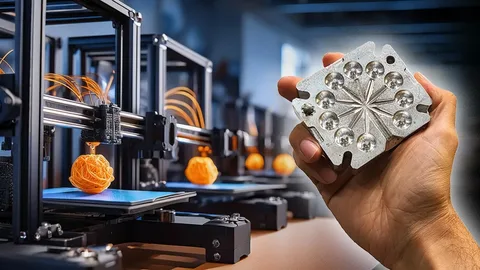
The market for 3D printed components has evolved rapidly, moving from niche prototyping to full-scale production across industries like automotive, aerospace, healthcare, and consumer goods. As competition increases, businesses must adopt innovative approaches to stand out and effectively sell their products. This article explores modern strategies that are reshaping how 3D printed parts are marketed and sold.
Understanding the Changing Landscape of 3D Printing Sales
Traditional sales models often fail to capture the dynamic nature of additive manufacturing. Customers today expect customization, fast turnaround times, and seamless digital experiences. Unlike mass-produced goods, 3D printed parts often cater to highly specific needs, which requires a more consultative and flexible sales approach.
Companies dealing with specialized products, such as Polymer 80 components, have particularly benefited from adapting to these new expectations. By focusing on personalization and direct-to-consumer channels, they can better connect with niche audiences.
Leveraging E-Commerce and Digital Marketplaces
One of the most impactful innovations in selling 3D printed parts is the rise of online platforms. Businesses are increasingly using e-commerce stores, digital catalogs, and third-party marketplaces to reach global customers.
Key Strategies:
- Interactive product configurators: Allow customers to customize dimensions, materials, and finishes in real time.
- On-demand production: Reduce inventory costs by printing parts only after purchase.
- Global reach: Sell to international markets without needing physical distribution networks.
For brands offering Polymer 80 products, digital platforms provide a way to educate customers while streamlining the buying process through detailed product pages and tutorials.
Customization as a Core Selling Point
Customization is one of the biggest advantages of 3D printing, and successful businesses emphasize this in their sales strategies.
How to Capitalize on Customization:
- Offer tailored solutions for individual clients
- Provide design assistance or co-creation tools
- Use customer data to suggest personalized products
For instance, companies selling Polymer 80 parts can allow users to modify certain specifications, creating a more engaging and valuable purchasing experience.
Integrating Augmented Reality (AR) and Visualization Tools
Customers often hesitate to purchase technical products online due to uncertainty about fit or functionality. AR and 3D visualization tools solve this problem by allowing users to preview products in real-world settings.
Benefits:
- Improved customer confidence
- Reduced return rates
- Enhanced user engagement
These tools are particularly useful when showcasing complex items like Polymer 80 components, where visual clarity can significantly influence purchasing decisions.
Building Community and Trust Through Content
Content marketing has become a powerful driver of sales in the 3D printing space. Instead of relying solely on traditional advertising, companies are creating educational and engaging content.
Effective Content Types:
- Tutorials and how-to guides
- Behind-the-scenes production videos
- Customer success stories
- Industry insights and blogs
By producing valuable content around Polymer 80 and similar products, businesses can position themselves as trusted authorities while nurturing long-term customer relationships.
Subscription Models and B2B Partnerships
Another innovative approach is the adoption of subscription-based services and strategic partnerships.
Examples:
- Subscription services: Regular delivery of parts or materials for businesses with ongoing needs
- B2B collaborations: Partnering with manufacturers, designers, or repair services
- Bulk customization deals: Offering discounts for large, repeat orders
These models create predictable revenue streams and strengthen customer loyalty.
Data-Driven Sales and Customer Insights
Modern sales strategies rely heavily on data analytics. By tracking customer behavior, preferences, and purchasing patterns, businesses can refine their offerings and marketing efforts.
Data Applications:
- Personalized recommendations
- Demand forecasting
- Pricing optimization
For sellers of specialized items like Polymer 80 products, data insights can help identify target audiences and tailor messaging for maximum impact.
Conclusion
The sales of 3D printed parts are undergoing a transformation driven by technology, customization, and customer-centric strategies. Businesses that embrace digital tools, innovative marketing techniques, and flexible sales models will be best positioned for success.
By integrating approaches such as e-commerce, AR visualization, and data-driven decision-making, companies—including those working with Polymer 80 products—can unlock new opportunities and stay ahead in a competitive market.
