


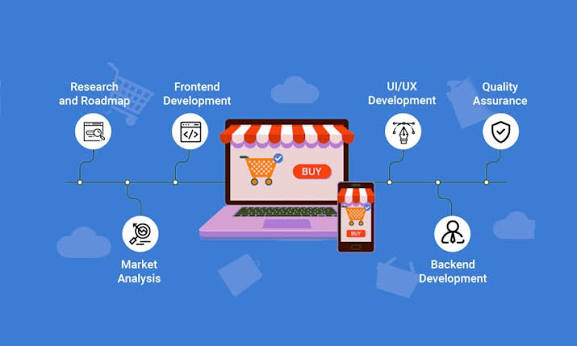
Opening an online shop is only the first step. Sustainable growth depends on how well a business attracts the right customers, delivers a reliable shopping experience and adapts when priorities change. A useful plan connects these parts rather than treating marketing, operations and customer service as separate projects.
Start with the customer and the numbers
Before adding another advertising channel or expanding a product range, identify who the store serves and what those customers need. Review questions, returns, search terms and customer feedback for recurring themes. These can reveal practical improvements, such as clearer sizing information, better product photography or more transparent delivery estimates.
Pair those observations with a small set of business measures. Revenue alone does not show whether growth is healthy. Track conversion rate, average order value, repeat-purchase rate, returns and the cost of acquiring a customer. Compare results over time and by product or channel where possible. A campaign that brings many visitors but few suitable buyers may need a different message, not a larger budget.
Make the store easier to buy from
Every extra uncertainty can give a shopper a reason to leave. Product pages should answer the questions a customer would ask in a shop: What is included? How does it fit or work? When will it arrive? What happens if it is unsuitable? Keep descriptions specific and accurate, and make important details easy to find on mobile as well as desktop.
Review the full path from landing page to confirmation email. Check that navigation is understandable, the checkout requests only necessary information and delivery costs appear before the final payment step. Test the process yourself on different devices. Small usability issues can be easy for an internal team to overlook because staff already know how the site works.
Operations matter just as much as design. Set realistic stock levels, monitor products that sell quickly and make a plan for delays or supplier changes. Clear post-purchase updates help manage expectations and reduce avoidable support requests. If an order goes wrong, a straightforward process for resolving it can protect a customer relationship better than a polished slogan.
Choose marketing channels with intent
A store does not need to be everywhere. Select channels based on how customers discover and evaluate the products. Search content can answer questions people ask before buying; social platforms can demonstrate products in use; email can help existing customers hear about relevant launches or replenishment. Define the purpose of each channel and decide how you will judge whether it is working.
For organic visibility, useful articles should offer more than a place to insert a product link. They can explain a buying decision, compare approaches or solve a genuine problem for the intended reader. Guest publishing may help a brand reach an audience beyond its own site, but relevance is more valuable than a high number of placements. Check the publication’s subject matter, readership and editorial standards before investing time in a contribution.
Store owners comparing possible outlets can use an e-commerce guest posting directory to review sites and blogs by factors such as audience, topic, traffic and authority. Treat those details as a starting point for research. Read the publication yourself and consider whether its readers would genuinely benefit from the proposed article. A well-matched contribution should make sense even to someone who never clicks through to the store.
Bring in help without losing control
As a business grows, owners may need outside support for design, product photography, writing, video, technical work or campaign delivery. Before hiring, describe the outcome rather than just naming a task. A brief should set out the audience, required files or formats, examples of the desired direction, deadlines and how revisions will be handled. This makes estimates easier to compare and reduces the risk of mismatched expectations.
Freelance marketplaces can make it easier to find help across different specialties. For example, Osdire connects buyers and freelancers across more than 900 categories, including writing, programming, design and marketing. Its flat pricing and payment held during an order until the delivered work is approved offer a defined process, but a clear brief and review of a freelancer’s relevant work are still important. Agree on milestones for larger assignments and keep decisions in writing.
Improve through steady experiments
Growth plans work best when they leave room to learn. Choose one change at a time where practical: revise a product page, test a different email subject line or adjust the information shown at checkout. Set a time period and a measure before starting, then record what happened. This prevents a busy team from mistaking activity for progress.
Not every experiment will succeed, and not every channel will suit every shop. The aim is to build a repeatable way to make decisions: listen to customers, use evidence, protect the quality of the buying experience and focus resources where they can make a meaningful difference. With that discipline, an online store can grow without making its day-to-day operations harder to manage.
