


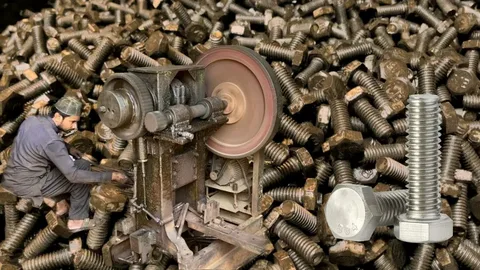
Bolts may seem like small, simple components, but their role in construction and manufacturing is absolutely critical. Choosing the right quality bolts can mean the difference between a structure that stands the test of time and one prone to failure. This article explores why quality bolts matter and how they impact safety, efficiency, and overall performance.
The Importance of Bolts in Construction
In construction projects, bolts are the primary fasteners that hold structural elements together. From steel beams to concrete reinforcements, the reliability of these connections ensures the stability of buildings, bridges, and other structures. Poor-quality bolts can lead to loosened joints, structural weakness, or even catastrophic failures.
Why Quality Bolts Matter in Construction: High-quality bolts are manufactured with precise standards to withstand heavy loads, resist corrosion, and maintain structural integrity. Using substandard bolts compromises safety and can result in costly repairs or accidents.
Bolts in Manufacturing: Precision and Performance
Manufacturing industries also rely heavily on bolts for assembling machinery, equipment, and vehicles. The durability and strength of bolts directly affect the performance of machines.
Key Factors Where Quality Bolts Make a Difference:
- Load-Bearing Capacity: Quality bolts can handle the stress and pressure exerted during operation without deforming or breaking.
- Longevity: High-grade bolts resist wear and tear, reducing downtime and maintenance costs.
- Safety: Using certified bolts ensures that machines operate safely under intended loads.
This highlights again why quality bolts matter in construction and manufacturing, as they ensure both human safety and operational efficiency.
Consequences of Using Low-Quality Bolts
Cutting corners on bolts may save money initially, but it can have severe consequences. Low-quality bolts may rust quickly, snap under pressure, or fail in extreme weather conditions. In industrial settings, this can lead to machine breakdowns, production halts, or even accidents. In construction, structural failures could endanger lives and result in legal liabilities.
Choosing the Right Bolts
Selecting the appropriate bolts requires understanding their material, strength grade, and suitability for specific applications. High-quality bolts are often tested for tensile strength, hardness, and corrosion resistance. By prioritizing quality, companies and contractors ensure durability, safety, and cost-effectiveness over time.
Conclusion
In both construction and manufacturing, the importance of fasteners cannot be overstated. Why quality bolts matter in construction and manufacturing is clear: they uphold safety, enhance performance, and protect investments. Choosing high-quality bolts is not just a technical decision—it’s a commitment to reliability and long-term success.
