


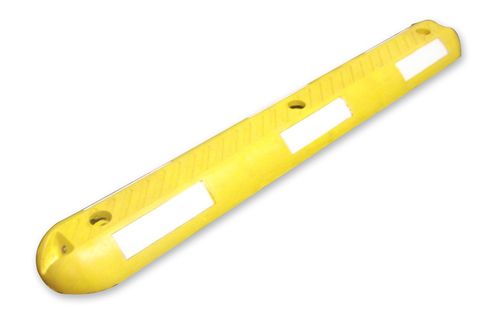
Creating a safe and organized parking lot is more than just painting lines and providing lighting. One essential but often overlooked element is the wheel stop. Wheel stops help prevent vehicles from rolling beyond designated spaces, protect pedestrians, and safeguard structures like walls and curbs. In this guide, we’ll walk you through everything you need to know about selecting the right wheel stop for your parking lot.
What is a Wheel Stop?
A wheel stop, also known as a parking block or parking curb, is a barrier placed at the front of a parking space to prevent vehicles from moving too far forward. They can be made from a variety of materials, including concrete, rubber, and recycled plastic, each offering unique benefits depending on your parking lot’s needs.
Why Wheel Stops are Important for Parking Lots
Safety First
Wheel stops reduce the risk of accidents by keeping vehicles within their parking spaces, preventing damage to surrounding property, and providing a clear boundary for pedestrians.
Traffic Organization
By guiding vehicles into a standard parking position, wheel stops help maintain an orderly parking layout, making your lot more efficient and reducing congestion.
Cost-Effective Protection
Investing in quality wheel stops can save money in the long run by preventing damage to curbs, landscaping, and structures.
Factors to Consider When Choosing a Wheel Stop
Selecting the right wheel stop for your parking lot requires careful consideration of several factors:
1. Material
- Concrete: Durable and long-lasting but heavier and harder to install. Ideal for high-traffic lots.
- Rubber: Lightweight, flexible, and easier to install. Perfect for areas with occasional use or where installation on asphalt is needed.
- Plastic/Recycled Materials: Environmentally friendly, easy to handle, and resistant to weather, though less durable than concrete.
2. Size and Height
Ensure your wheel stop is compatible with the size of vehicles using your lot. Standard sizes usually range from 6 to 8 feet in length and 4 to 6 inches in height.
3. Visibility
Wheel stops with reflective strips or bright colors enhance visibility, especially at night or in low-light conditions.
4. Installation Type
Some wheel stops require anchoring into concrete or asphalt, while others are designed to be free-standing. Consider your surface type and installation budget when making a decision.
Maintenance and Longevity
Regular inspections can extend the life of your wheel stops. Concrete stops may need occasional cleaning to remove dirt or debris, while rubber and plastic options should be checked for cracks or weathering. Proper installation also reduces wear and tear over time.
Conclusion
Choosing the right wheel stop for your parking lot is essential for safety, organization, and protecting property. By considering material, size, visibility, and installation requirements, you can select a wheel stop that meets your specific needs. This ultimate guide to choosing the right wheel stop for your parking lot ensures your parking areas are safer, more efficient, and well-maintained.
