


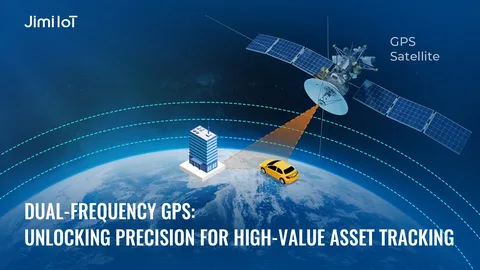
In today’s technology-driven world, GPS systems have become indispensable for navigation, surveying, agriculture, and many other industries. However, not all GPS systems are created equal. Understanding the differences between precision gps vs Traditional GPS: What’s the Difference? is essential for choosing the right solution for your needs.
What is Traditional GPS?
Traditional GPS, also known as standard GPS, is the system most people use in smartphones and car navigation devices. It works by communicating with a network of satellites orbiting the Earth to determine your location.
- Accuracy: Traditional GPS typically provides accuracy within 5 to 10 meters.
- Applications: Ideal for everyday navigation, tracking, and basic mapping.
- Limitations: Environmental factors like tall buildings, dense trees, or atmospheric conditions can reduce accuracy.
While traditional GPS is convenient and widely accessible, it may not be sufficient for tasks that require precise measurements, such as land surveying or precision agriculture.
What is Precision GPS?
Precision GPS, often referred to as Real-Time Kinematic (RTK) GPS or high-accuracy GPS, uses additional technologies to significantly improve accuracy. It often combines satellite signals with correction data from ground-based stations.
- Accuracy: Precision GPS can achieve centimeter-level accuracy.
- Applications: Used in agriculture for planting and harvesting, construction for site layout, and surveying for precise land measurement.
- Advantages: Minimizes errors caused by environmental factors and provides reliable, real-time positioning.
Precision GPS vs Traditional GPS: Key Differences
When comparing Precision GPS vs Traditional GPS: What’s the Difference?, several key factors stand out:
- Accuracy: Traditional GPS provides meter-level accuracy, while precision GPS offers centimeter-level precision.
- Cost: Precision GPS systems are more expensive due to the additional technology and equipment required.
- Applications: Traditional GPS suits everyday navigation, while precision GPS is essential for professional and technical tasks.
- Data Reliability: Precision GPS provides correction data that enhances reliability, even in challenging environments.
Conclusion
Understanding Precision GPS vs Traditional GPS: What’s the Difference? is crucial when selecting a GPS system for your specific needs. For casual navigation, traditional GPS is sufficient, but for high-accuracy tasks like surveying or precision agriculture, investing in a precision GPS system is the better choice.
