


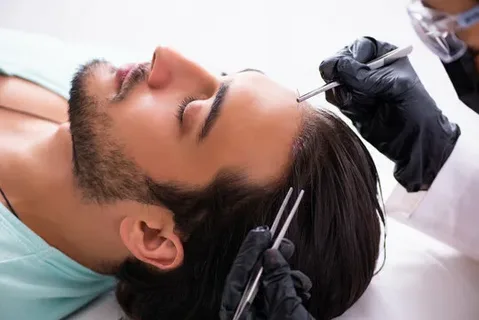
Hair transplantation has become a popular solution for individuals experiencing hair loss. However, one of the most common questions patients ask is about the timeline of hair growth after a transplant. Understanding this timeline can help manage expectations and ensure proper care during the recovery process. This article provides a comprehensive step-by-step guide on what to expect after a hair transplant.
Immediate Post-Transplant Phase (Days 1–7)
During the first week after a hair transplant, the scalp will be sensitive and may show signs of redness, swelling, and tiny scabs around the transplanted follicles.
Key Points:
- Avoid touching or scratching the scalp.
- Follow your surgeon’s instructions for washing and cleaning.
- Expect mild discomfort or itching, which is normal.
This initial period is crucial because the transplanted follicles are establishing themselves in the new scalp environment.
Shedding Phase (Weeks 2–8)
Approximately 2–3 weeks after the procedure, the transplanted hair may start to fall out. This phase, known as “shock loss,” is completely normal and does not indicate a failed transplant.
Important Notes:
- Hair shedding is temporary; the follicles remain healthy beneath the scalp.
- Avoid harsh chemicals or tight hairstyles that could stress the scalp.
Understanding this step helps patients remain calm and avoid unnecessary concern during the hair growth after a transplant process.
Early Growth Phase (Months 3–4)
By the third month, the follicles begin producing new hair. Initially, the hair may be thin and fine, but growth gradually becomes thicker and stronger.
Tips for Optimal Growth:
- Maintain a balanced diet rich in vitamins and proteins.
- Use gentle hair care products recommended by your surgeon.
- Avoid excessive sun exposure to the scalp.
This phase marks the first visible signs of success in your step-by-step timeline of hair growth after a transplant.
Significant Growth Phase (Months 6–9)
During this period, most patients notice substantial hair growth. The transplanted hair begins to blend naturally with existing hair, and density improves.
What to Expect:
- Hair texture and thickness will continue to develop.
- Minor variations in growth rates are normal across different areas of the scalp.
Consistency with care routines during this stage ensures the best results.
Full Maturation Phase (Months 12–18)
By one year post-transplant, the final results are typically visible. Hair has fully matured, achieving natural density and texture. Some patients may continue to see subtle improvements up to 18 months.
Maintenance Tips:
- Schedule regular check-ups with your hair transplant specialist.
- Continue healthy lifestyle habits to support hair growth.
- Consider ongoing treatments, if recommended, to prevent future hair loss.
This marks the completion of the step-by-step timeline of hair transplant, providing a clear understanding of what to expect throughout the recovery journey.
